Hot Rolled vs Cold Rolled Steel: Which Is Right for Your Project?
Hot rolled steel offers cost efficiency and high strength for structural work. Cold rolled steel provides tighter tolerances and smoother finishes for precision applications. Choose based on formability, surface requirements, and project budget.
- Hot rolled steel is generally more economical and suitable for structural applications where surface finish is secondary.
- Cold rolled steel offers tighter dimensional tolerances and smoother surfaces for precision manufacturing and visible products.
- Surface treatment and corrosion resistance requirements often dictate the final steel selection.
- Supplier communication regarding production methods, certifications, and tolerances is critical during steel sourcing.
- Consider the downstream processing steps when evaluating the optimal steel production method for a specific project.
Understanding the Production Differences
Hot rolled and cold rolled steel differ primarily in the temperature and timing of their rolling processes. Hot rolling occurs at high temperatures, typically above the recrystallization temperature of the steel, where the material is soft and malleable. Cold rolling happens at ambient or slightly elevated temperatures, where the steel is harder and requires significantly more force to deform.
The production method directly impacts the material’s mechanical properties, surface finish, and dimensional accuracy. Hot rolling produces a scale on the surface, which is oxide that forms during high-temperature processing. Cold rolling leaves the surface cleaner and smoother. These differences are not just cosmetic. They affect how the steel performs in your specific application and what post-processing steps you might need.
The metallurgical state of the steel changes dramatically between the two methods. During hot rolling, the grain structure is refined by the heat and deformation. This process allows for large reductions in thickness in a single pass. The material flows easily, and the energy required per unit of volume is lower. In contrast, cold rolling induces work hardening. The dislocations in the crystal structure pile up, increasing the yield strength but reducing the ability of the metal to stretch without breaking. This trade-off between strength and ductility is the fundamental reason engineers select one method over the other.
Key Characteristics of Hot Rolled Steel
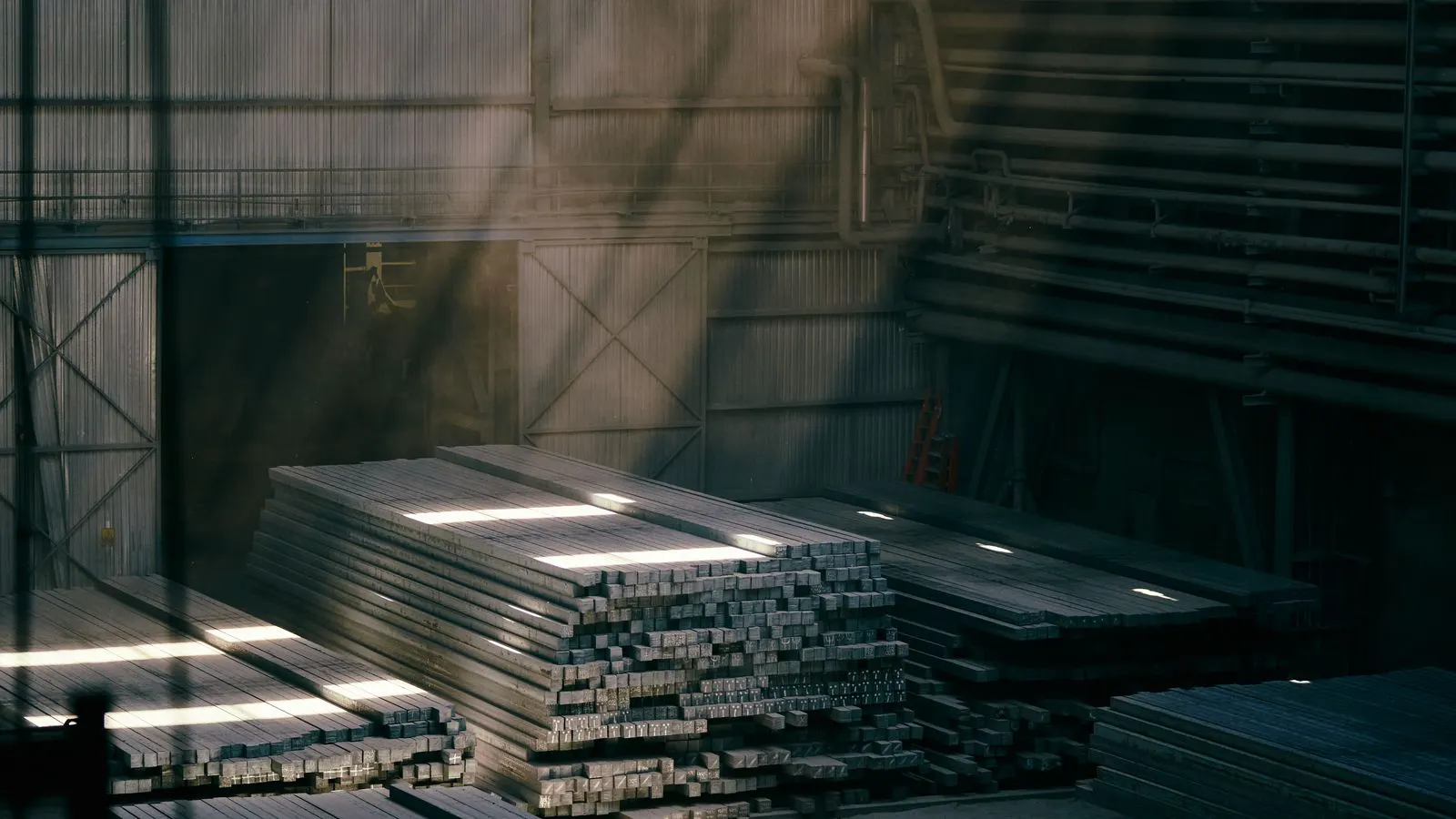
Hot rolled steel is produced in continuous mills where ingots or billets are heated and passed through rollers. The high temperature allows the steel to be shaped into beams, plates, and sections with relative ease. The resulting product has a rougher surface and less precise dimensions compared to cold-rolled equivalents.
Mechanically, hot rolled steel often exhibits higher ductility and toughness. This makes it a strong candidate for structural applications like building frames, bridges, and heavy machinery. The scale on the surface can be removed by scale blasting, grinding, or pickling if a cleaner finish is needed. However, this adds cost and time to the manufacturing process.
The dimensional tolerances for hot rolled products are generally looser. A plate specified as 12 mm thick might arrive between 11.5 mm and 12.5 mm. Flatness is also less critical, meaning the material may have slight bowing or camber. For structural engineers, these variations are manageable. The steel is usually welded into frames where the joints absorb some of the variability. The surface scale is a consistent layer of iron oxide. It is brittle and flakes off easily, but it also indicates the material has not been exposed to moisture in a way that causes rust. If the scale is removed too aggressively, it can expose the underlying steel to oxidation if not protected immediately.
Key Characteristics of Cold Rolled Steel
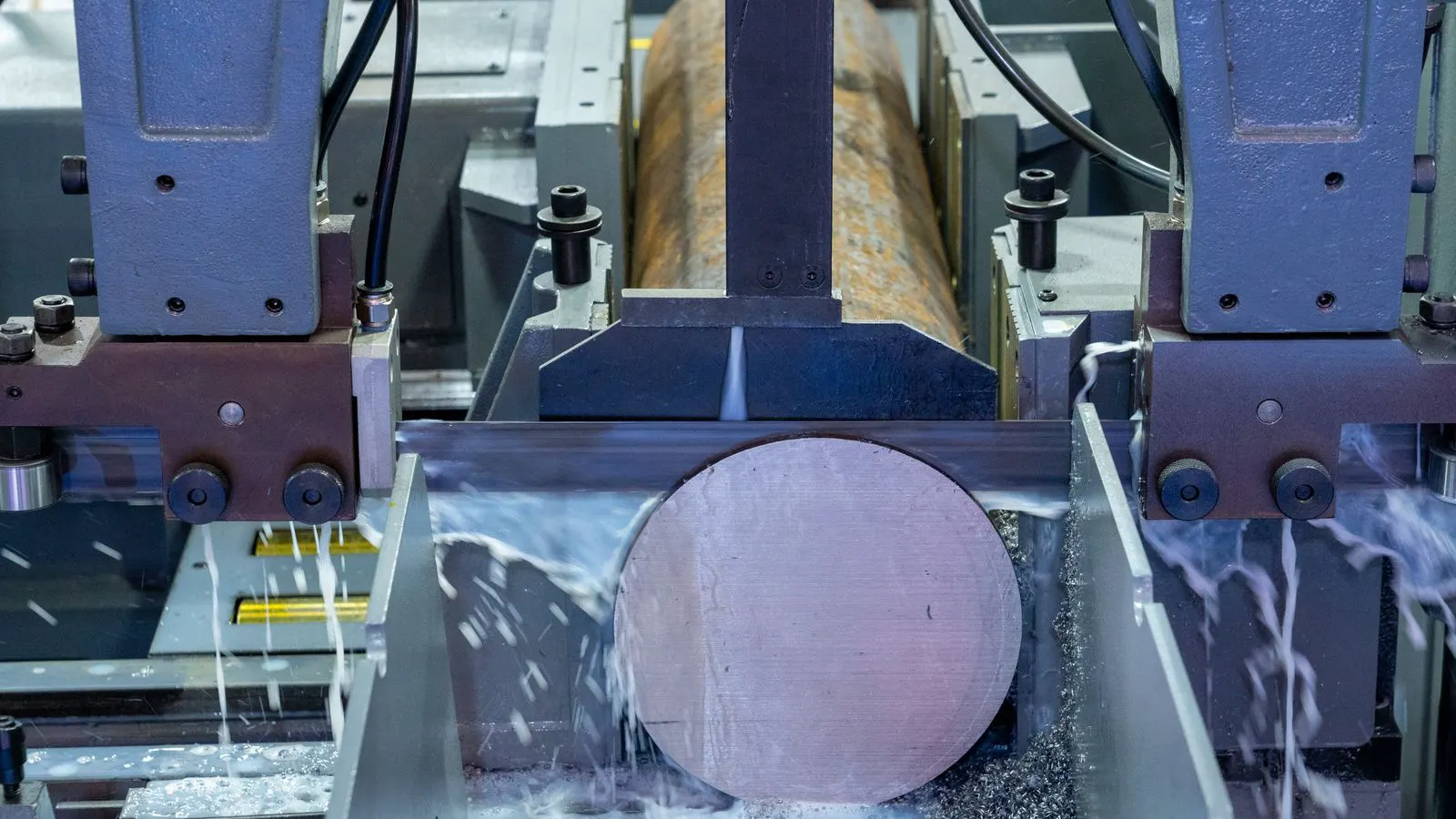
Cold rolled steel undergoes deformation at room temperature. The process requires substantial pressure and often multiple passes through rollers to achieve the desired thickness. This controlled deformation results in a very smooth surface, precise dimensions, and improved surface finish.
The mechanical properties of cold rolled steel are distinct. It typically has higher yield strength and tensile strength than its hot rolled counterpart of the same alloy. However, it may have lower ductility due to work hardening. This makes cold rolled steel ideal for applications where surface appearance, tight tolerances, or high strength in thin sections are priorities. Think of automotive panels, appliance housings, and precision machinery components.
The surface finish of cold rolled steel is significantly better than its hot rolled counterpart. The mill scale is not present. The surface is uniform and smooth, often requiring only light degreasing before painting or coating. The dimensional tolerances are tighter. A sheet specified as 1.5 mm thick will be very close to that measurement, and the flatness is superior. This precision allows for more complex forming processes, such as deep drawing for automotive fenders or precision bending for enclosure panels. The work hardening effect means that the steel becomes stronger as it is formed, which can be beneficial for spring components but problematic for parts that require large angles of bend without cracking.
Hot Rolled vs Cold Rolled Steel Comparison
The choice between the two methods depends on your project’s specific demands. The table below summarizes the primary differences to help you evaluate the options during steel sourcing.
| Option | Best for | Limitations |
|---|---|---|
| Hot Rolled | Structural applications, heavy machinery, cost-sensitive projects, thick sections | Rougher surface finish, wider dimensional tolerances, requires surface preparation for visible or precision work |
| Cold Rolled | Precision machining, visible surfaces, thin sections, high-strength requirements, tight tolerances | Higher cost, lower ductility than hot rolled, thicker sections may be harder to source cold rolled |
| Hot Rolled with Surface Treatment | Applications needing a clean surface but with the cost benefits of hot rolling | Adds cost and time for pickling, coating, or grinding |
| Cold Rolled with Coating | Corrosion resistance in visible or outdoor applications | Higher initial material cost, coating may need maintenance |
When comparing these options, consider the total processing chain. Hot rolled steel with surface treatment might be more expensive than standard hot rolled steel but cheaper than cold rolled steel for thick sections. Cold rolled steel with coating is a premium option that reduces downstream labor but increases the initial purchase price. The decision often hinges on whether the value of the finished product justifies the higher material cost.
When to Choose Hot Rolled Steel
Select hot rolled steel when the primary requirements are strength, formability, and cost efficiency. It is the standard choice for structural steel in construction, including I-beams, H-beams, and plates. The wider tolerances are usually acceptable for structural applications where the steel will be welded and joined, and the surface is not visible.
If you are sourcing for heavy machinery or industrial equipment where the steel will be painted or coated, hot rolled is often sufficient. The surface scale can be removed during preparation. It is also the go-to option for very thick sections, as cold rolling thick plates is economically challenging and often technically difficult.
Consider the application of hot rolled steel in the fabrication of large tanks or pressure vessels. The weldability of hot rolled steel is generally good, and the material can be formed into large, complex shapes without the risk of cracking associated with cold rolled steel. The higher ductility allows for more forgiving bending and shaping during fabrication. For applications where the steel is not visible, such as the internal framework of a building or the base of a heavy machine, the rougher surface is not a concern. The focus is on load-bearing capacity and cost.
When to Choose Cold Rolled Steel
Choose cold rolled steel when dimensional accuracy and surface finish are critical. Automotive body panels, appliance enclosures, and machinery covers require a smooth, uniform surface. Cold rolled steel meets these demands without extensive post-processing.
For precision machinery components, where parts must fit together with tight tolerances, cold rolled is the preferred method. It also excels in thin section applications. Cold rolled steel is typically available in thinner gauges than hot rolled. If your project involves high-strength applications in thin sections, cold rolled offers the necessary yield strength.
An example of cold rolled steel in use is the manufacturing of electrical cabinet enclosures. The steel must be flat enough to allow for precise laser cutting and bending. The surface must be smooth enough to accept a powder coat without showing mill scale or roughness. The dimensions must be tight to ensure that the panels fit together without gaps. Cold rolled steel provides these characteristics out of the mill, reducing the need for grinding or surface preparation.
Steel Supplier Considerations for Steel Sourcing
When you are comparing suppliers, the production method is just one factor. A reliable steel supplier will provide clear specifications regarding the steel grade, dimensions, tolerances, and surface condition. Ask about the production process. A supplier that can confirm whether the material is hot or cold rolled demonstrates transparency.
Check the certifications. Reputable suppliers provide mill test certificates that verify the chemical composition and mechanical properties of the steel. This is standard for industrial and structural applications. Also, discuss the surface condition. If you need a clean surface, clarify if the steel will be delivered with scale, scale blasted, pickled, or coated. This affects your processing costs and timeline.
Consider the lead time and logistics. Cold rolled steel, especially in specific thicknesses or grades, may have longer lead times. Hot rolled structural sections are often more readily available. Factor in the transport and storage. Cold rolled sheets can be thinner and may require careful handling to avoid damage.
When discussing surface conditions, be specific about the finish. A “standard” hot rolled plate may have a heavy scale coating. A “scale blasted” plate will have the scale removed but will have a matte, textured finish. A “pickled” plate will have the scale removed chemically, resulting in a bright, shiny surface that is prone to flash rust if not protected. Understanding these differences helps you plan your storage and handling requirements. A pickled surface must be stored in a dry environment or oiled to prevent immediate oxidation.
Common Mistakes to Avoid
One frequent error is selecting steel based solely on the initial material cost without considering the total cost of ownership. A slightly more expensive cold rolled sheet may save money if it reduces machining time and eliminates the need for surface preparation. Conversely, using cold rolled steel for a structural application where hot rolled would suffice is an unnecessary cost increase.
Another mistake is overlooking the downstream processing. If the steel will be bent, welded, or coated, the production method matters. Hot rolled steel may be easier to form in thick sections. Cold rolled steel may require careful bending to avoid cracking due to work hardening. Discuss your fabrication process with your supplier and the steel mill. They can advise on the optimal material condition.
Finally, do not assume all “rolled steel” is the same. Specify the production method, grade, and surface condition in your purchase order. Ambiguity can lead to receiving the wrong material, causing delays and rework. Clear specifications are the foundation of effective steel sourcing.
A specific mistake occurs when engineers specify “cold rolled” without defining the grade. Different cold rolled grades have different mechanical properties. A general purpose cold rolled steel may not have the yield strength required for a high-stress component. Always specify the grade, such as a specific carbon steel or low alloy grade, to ensure the material meets the design requirements.
Making the Final Decision
The right choice between hot rolled and cold rolled steel comes down to matching the material’s characteristics to your project’s requirements. For structural and heavy-duty applications, hot rolled is often the practical and economical choice. For precision, appearance, and thin-section applications, cold rolled is the standard.
Review your project specifications. Identify the critical requirements: strength, tolerances, surface finish, and budget. Use these criteria to narrow your options. Consult with your steel supplier. They can provide guidance on availability, specifications, and best practices. A clear understanding of the production method ensures you select the right material for your project, leading to better performance and cost efficiency.
Frequently asked questions
What is the main difference in surface finish between hot rolled and cold rolled steel?
Hot rolled steel has a rougher surface with scale, while cold rolled steel has a smooth, clean finish.
Which steel type is generally more cost-effective?
Hot rolled steel is typically more economical due to the efficiency of the high-temperature rolling process.
Can hot rolled steel be used for precision applications?
It can, but it usually requires additional processing like grinding or pickling to meet tight tolerances and surface standards.
How does the production method affect mechanical properties?
Cold rolled steel often has higher yield strength and lower ductility compared to hot rolled steel of the same alloy.
What should I ask my steel supplier about the production method?
Ask for confirmation of the rolling process, specific tolerances, surface condition, and relevant mill test certificates.